


 |
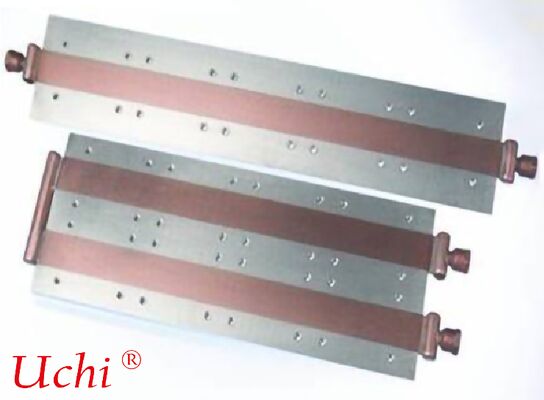
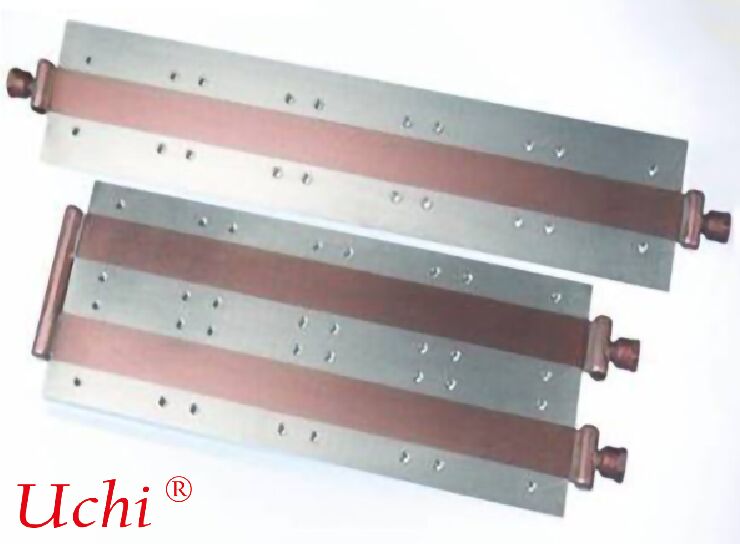
Placa de Resfriamento Líquido Integrada ao Radiador com Aletas de Dissipação de Calor
Detalhes do produto:
| Lugar de origem: | Dongguan,Guangdong,China |
| Marca: | Uchi |
| Certificação: | SMC |
| Número do modelo: | Dissipador de calor |
Condições de Pagamento e Envio:
| Quantidade de ordem mínima: | 100 unidades |
|---|---|
| Preço: | 1300-1500 dollars |
| Tempo de entrega: | Não limitado |
| Termos de pagamento: | T/T, paypal, Western Union, |
| Habilidade da fonte: | 50000000 unidades por mês |
|
Informação detalhada |
|||
| material do dissipador de calor: | Alumínio | Acabamento de superfície: | Acabamento fresado ou anodização |
|---|---|---|---|
| Material: | Cobre / Alumínio | vida de fã: | 100000 Horas |
| Processo profundo: | Usinagem CNC | Conduzindo Poder: | 2000 W |
| Tolerância: | ±1% | Processos adicionais: | Usinagem CNC |
| Precisão: | ± 0,002 ~ ± 0,005 mm | Pressão máxima: | 5 bar |
| Faixa de temperatura operacional: | -40°C a 120°C | Textura do material: | 6061 |
| Destacar: | Placa de resfriamento líquido integrada ao radiador,Placa de resfriamento líquido com aletas de dissipação de calor,Placa de radiador de resfriamento líquido de alto desempenho |
||
Descrição de produto
Placa de Resfriamento Líquido Integrada ao Radiador
Em termos simples: Placa de Resfriamento Líquido Integrada ao Radiador = Placa de resfriamento líquido + aletas de dissipação de calor integradas
Ela se acopla a dispositivos que geram calor em um lado e possui aletas densas no outro. O calor é transferido para a área das aletas através da circulação do líquido refrigerante, formando uma solução de resfriamento líquido compacta e tudo-em-um.
I. Características Estruturais
Superfície de Ligação (Lado da Placa Fria)
Superfície plana que se acopla diretamente a IGBTs, módulos de potência, baterias, motores e outros componentes que geram calor.
Lado de Dissipação de Calor das Aletas (Lado do Radiador)
Canais de fluxo internos se estendem para a região de aletas densas, formando uma estrutura semelhante a um radiador.
À medida que o líquido refrigerante flui, o calor é levado para as aletas e dissipado por resfriamento a ar ou convecção natural.
Estrutura Totalmente Integrada
Geralmente fabricada em uma única peça através de skiving, fundição sob pressão ou brasagem,
eliminando a montagem complexa de radiadores e tubos de água separados.
II. Princípio de Funcionamento
- Calor dos componentes → conduz para a base da placa de resfriamento líquido
- O líquido refrigerante flui através dos canais internos e absorve o calor
- O líquido refrigerante aquecido flui para a seção do radiador com aletas
- As aletas liberam calor para o ambiente através de ventiladores ou fluxo de ar natural
- O líquido refrigerante resfriado circula de volta para repetir o processo
É uma solução híbrida que combina transferência de calor por resfriamento líquido e dissipação final por resfriamento a ar.
III. Vantagens Principais
-
Estrutura compacta e alta integraçãoO design tudo-em-um economiza espaço, reduz conectores e pontos de vazamento.
-
Instalação simplesMontado diretamente nos componentes; apenas uma bomba externa e um reservatório são necessários, sem necessidade de radiador extra.
-
Dissipação de calor uniformeExcelente uniformidade de temperatura na placa base, evitando pontos quentes locais.
-
Alta confiabilidadeA estrutura brasada ou skived oferece forte resistência à vibração, ideal para aplicações automotivas e de controle industrial.
IV. Processos de Fabricação Comuns
-
Placa de Resfriamento Líquido Integrada ao Radiador SkivedAletas e canais de fluxo usinados a partir de um único bloco de alumínio, oferecendo alta resistência e condutividade térmica contínua.
-
Tipo Brasado a VácuoPlaca base e aletas unidas por brasagem, com aletas mais densas e maior área de dissipação de calor.
-
Tipo de Fundição sob Pressão IntegralAdequado para produção em massa e baixo custo, amplamente utilizado no gerenciamento térmico de veículos de passageiros.
V. Aplicações Típicas
- Veículos de nova energia: resfriamento integrado para motores, ECU, OBC, conversores DC-DC
- Conversores de armazenamento de energia (PCS), inversores fotovoltaicos
- Servodrives industriais, fontes de alimentação de alta potência
- Equipamentos a laser, máquinas de solda, fontes de alimentação de alta frequência
- Máquinas de construção, resfriamento de controladores de veículos comerciais
VI. Diferença das Placas de Resfriamento Líquido Padrão
- Placa de resfriamento líquido padrão: apenas absorve e transfere calor; não dissipa calor diretamente para o ambiente.
- Placa de resfriamento líquido integrada ao radiador: absorve calor, circula internamente e dissipa calor através de suas próprias aletas, formando um sistema de resfriamento compacto completo.
Deseja saber mais detalhes sobre este produto
